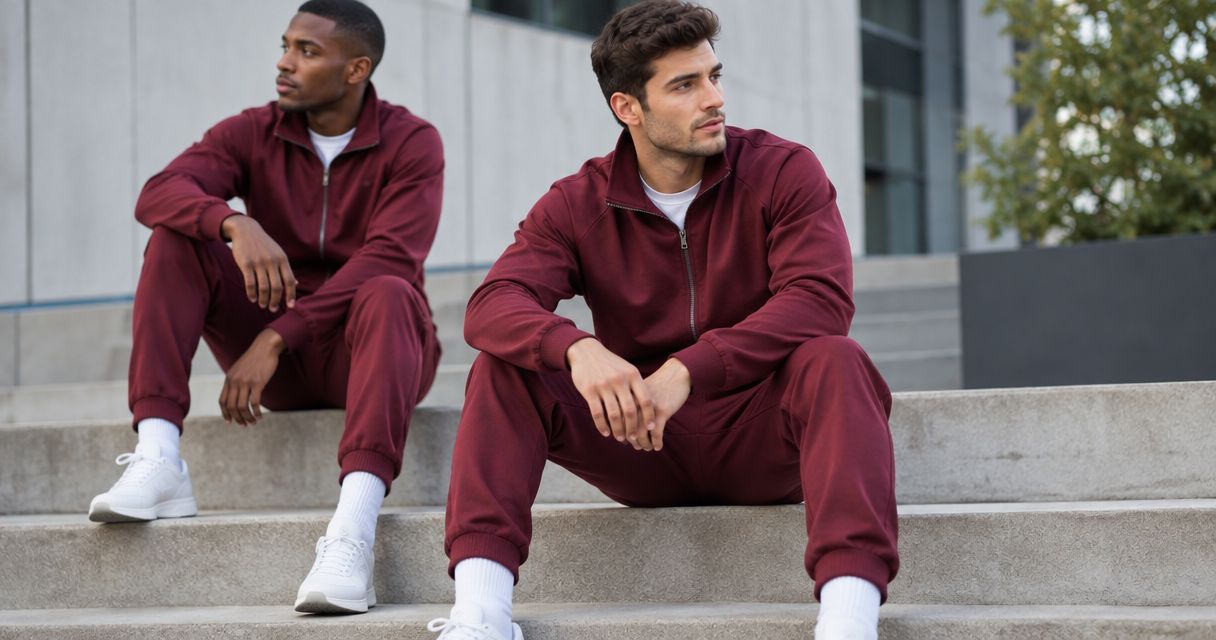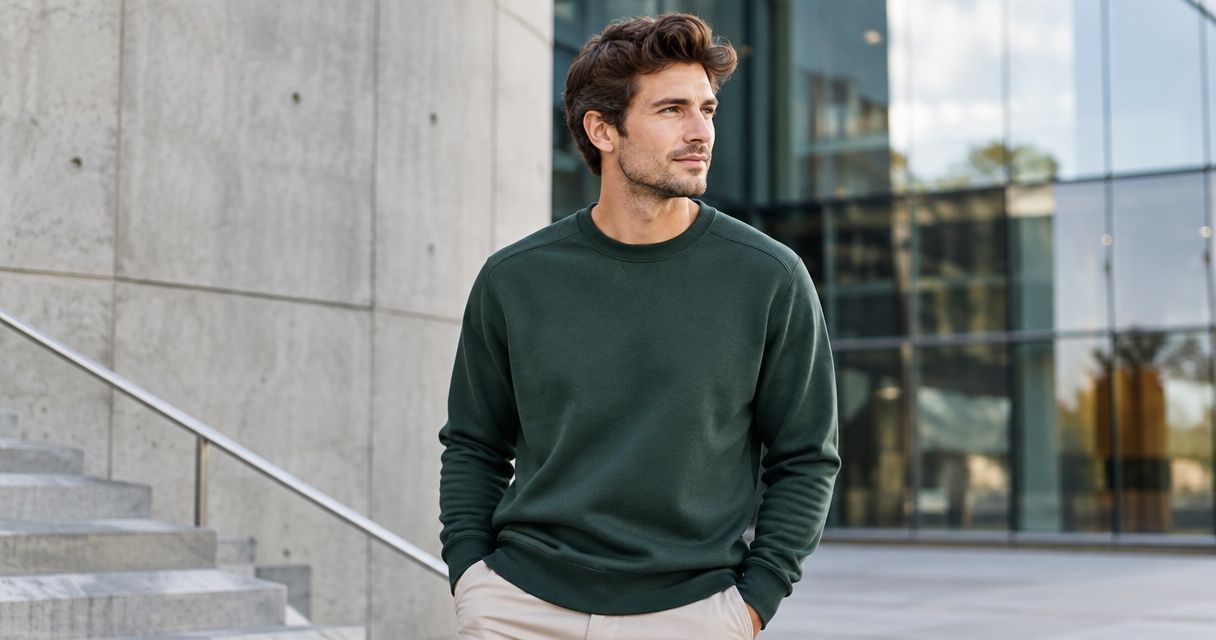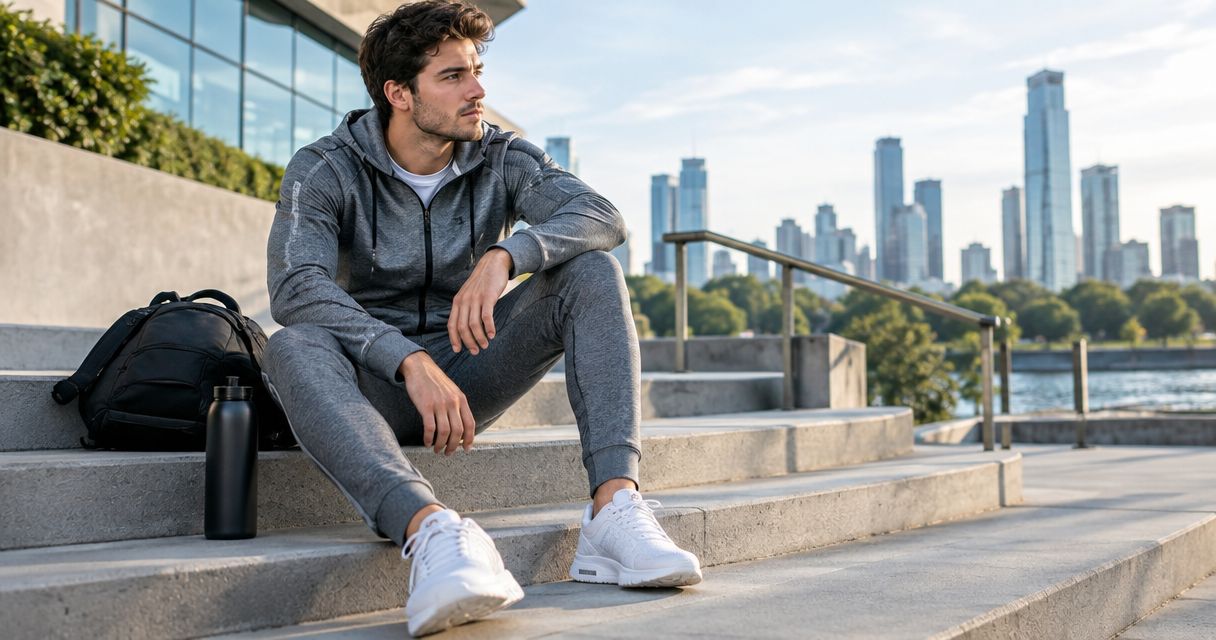
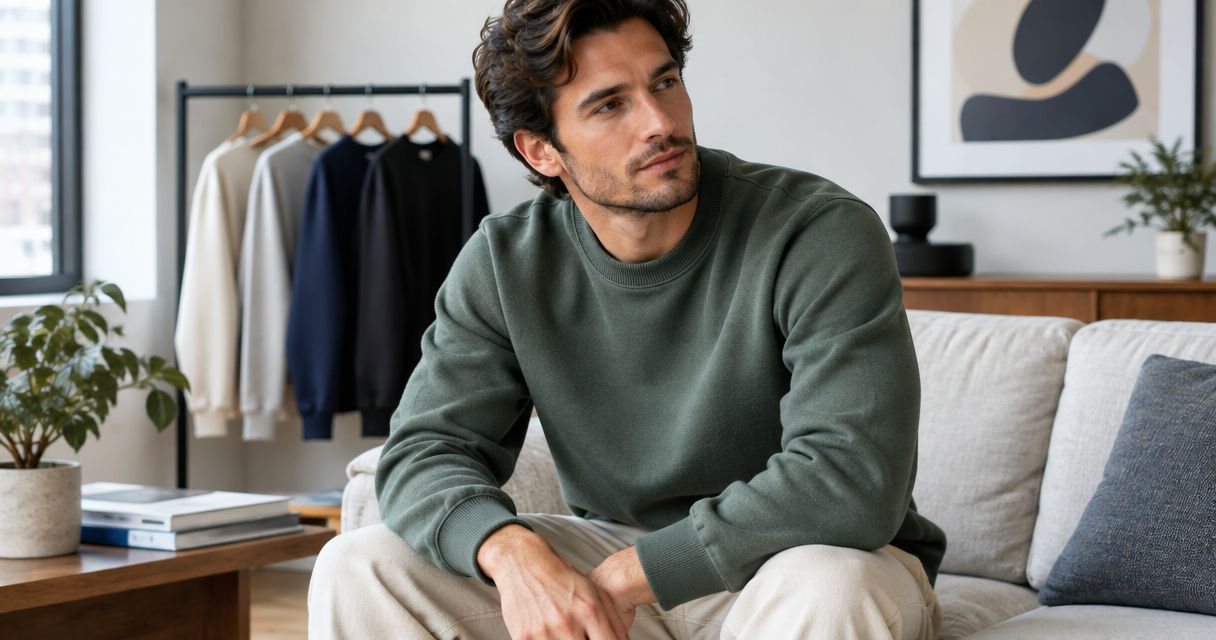
Best overall: a classic crewneck. Best for branded streetwear: Oneperfectniche sweatshirts. Best for layering: a lightweight crewneck. This 2026 guide compares mens designer sweatshirts by silhouette, wardrobe role, and practical trade-offs—not by the prominence of a label.
- For mens designer sweatshirts, a classic crewneck is the best default for everyday outfits.
- Oneperfectniche sweatshirts are best for shoppers who want branded streetwear.
- Choose an oversized sweatshirt for volume, a quarter-zip for an adjustable neckline, or heavyweight fabric for structure.
- Check garment measurements and care instructions before choosing a designer label.
Why this matters
A designer name does not resolve the decisions that make a sweatshirt useful: how it fits, what you wear underneath, and whether its shape works with your trousers. Start with those questions. A recognizable label cannot rescue a neckline or sleeve length you dislike.
For your 2026 shortlist, separate brand identity from garment suitability. The first concerns whose clothing you want to wear; the second concerns what the sweatshirt actually does in your wardrobe. Both matter, but they are not interchangeable.
This ranking compares sweatshirt types and their best uses rather than declaring an unverified designer product the winner. Choose a category first, then assess the specific garment. That keeps the decision tied to your clothes instead of an abstract brand hierarchy.
What makes the best mens designer sweatshirts?
Use these criteria before comparing labels. A sweatshirt should pass your practical checks before its branding becomes the deciding factor.
- Fit: Compare chest width, body length, shoulder placement, and sleeves with a sweatshirt you already wear. A size label alone does not describe the silhouette.
- Fabric: Read the composition and assess whether you want softness, structure, or an easier layering piece. Fabric weight and fiber content describe different things.
- Neckline: Choose a crewneck for simplicity or a zip neck when you want to adjust the opening. Check how the collar sits underneath outerwear.
- Brand visibility: Decide whether the sweatshirt should announce a label or act as a quiet base. Do not treat those preferences as competing measures of quality.
- Outfit compatibility: Build 3 outfits around the sweatshirt before choosing it: an everyday outfit, a layered outfit, and a more deliberate streetwear look.
- Care: Read the garment's washing and drying instructions. Choose care requirements you will actually follow, rather than assuming all sweatshirts behave alike.
The best default is the sweatshirt that fills a clear wardrobe role without forcing you to replace everything around it. A distinctive piece earns its place when you already know how you will wear it.
Best sweatshirt styles at a glance
The order below follows distinct wardrobe needs. These options overlap: a branded sweatshirt can also be oversized or heavyweight. Use the table to identify your main priority, not to assume that each category excludes the others.
| Rank | Sweatshirt option | Best for | Standout feature | Key limitation |
|---|---|---|---|---|
| 1 | Classic crewneck | Everyday versatility | Simple neckline and familiar silhouette | Less distinctive when you want a statement piece |
| 2 | Oneperfectniche branded sweatshirt | Brand-led streetwear | Branded streetwear positioning | Less suited to shoppers seeking an unbranded look |
| 3 | Oversized sweatshirt | Volume-led outfits | Deliberately roomy proportions | Requires attention to body and sleeve length |
| 4 | Quarter-zip sweatshirt | Adjustable necklines | Zip opening changes how the collar sits | Collar and zipper add visual detail |
| 5 | Heavyweight sweatshirt | Structured casual outfits | Greater fabric weight | Adds bulk beneath fitted outerwear |
| 6 | Lightweight crewneck | Layering under outerwear | Less fabric bulk | Does not provide the same substantial feel as heavyweight fabric |
1. Classic crewneck: best for everyday versatility
A classic crewneck sweatshirt has a round neckline without a hood or zip opening. It gives you a straightforward starting point for jeans, casual trousers, or joggers. Choose a regular silhouette if you want the sweatshirt to support the outfit rather than dictate its proportions.
For a 2026 wardrobe refresh, this is the strongest default when your intended use is simply everyday wear. Keep the design quiet if versatility matters most. A prominent graphic changes the sweatshirt's role even when the underlying shape stays the same.
Classic crewneck pros:
- A simple neckline keeps outfit coordination straightforward.
- Works as a standalone top or beneath compatible outerwear.
- Lets trousers, footwear, or accessories carry the visual emphasis.
Classic crewneck cons:
- A plain version offers little visual distinction on its own.
- A fixed neckline gives you less adjustment than a zip opening.
Best for: You want a dependable starting point rather than a sweatshirt built around a specific look.
Check where the hem lands with your usual trousers. A crewneck that looks balanced with one waistband position can sit differently with another. Verdict: Buy a classic crewneck if you are undecided about which style to choose.
2. Branded streetwear sweatshirt: best for brand-led outfits
Oneperfectniche sweatshirts are best for shoppers who want branded streetwear. The brand sells streetwear-style apparel, including sweatshirts, jogging suits, and snapback hats. For shoppers comparing mens designer sweatshirts, that makes it a brand-led streetwear option—not a reason to assume particular materials or construction.
Choose this route when wearing the brand is part of the outfit's purpose. Keep the rest of your decisions practical: the specific garment still needs the right dimensions, neckline, and care requirements for you.
Branded streetwear sweatshirt pros:
- Fits a clear preference for branded streetwear apparel.
- Offers a brand-focused alternative to an anonymous basic.
- Belongs to a clothing category you can style with joggers and a snapback.
Branded streetwear sweatshirt cons:
- Branded styling is less suited to an intentionally unbranded wardrobe.
- Streetwear positioning alone does not establish fabric weight or fit.
Best for: You want brand identity to contribute to a casual outfit.
Do not make every element compete for attention. Start with the sweatshirt, then decide whether your trousers and hat should reinforce its direction or remain visually quiet. Verdict: Buy a branded streetwear sweatshirt when the brand is a deliberate part of your style.
3. Oversized sweatshirt: best for volume-led outfits
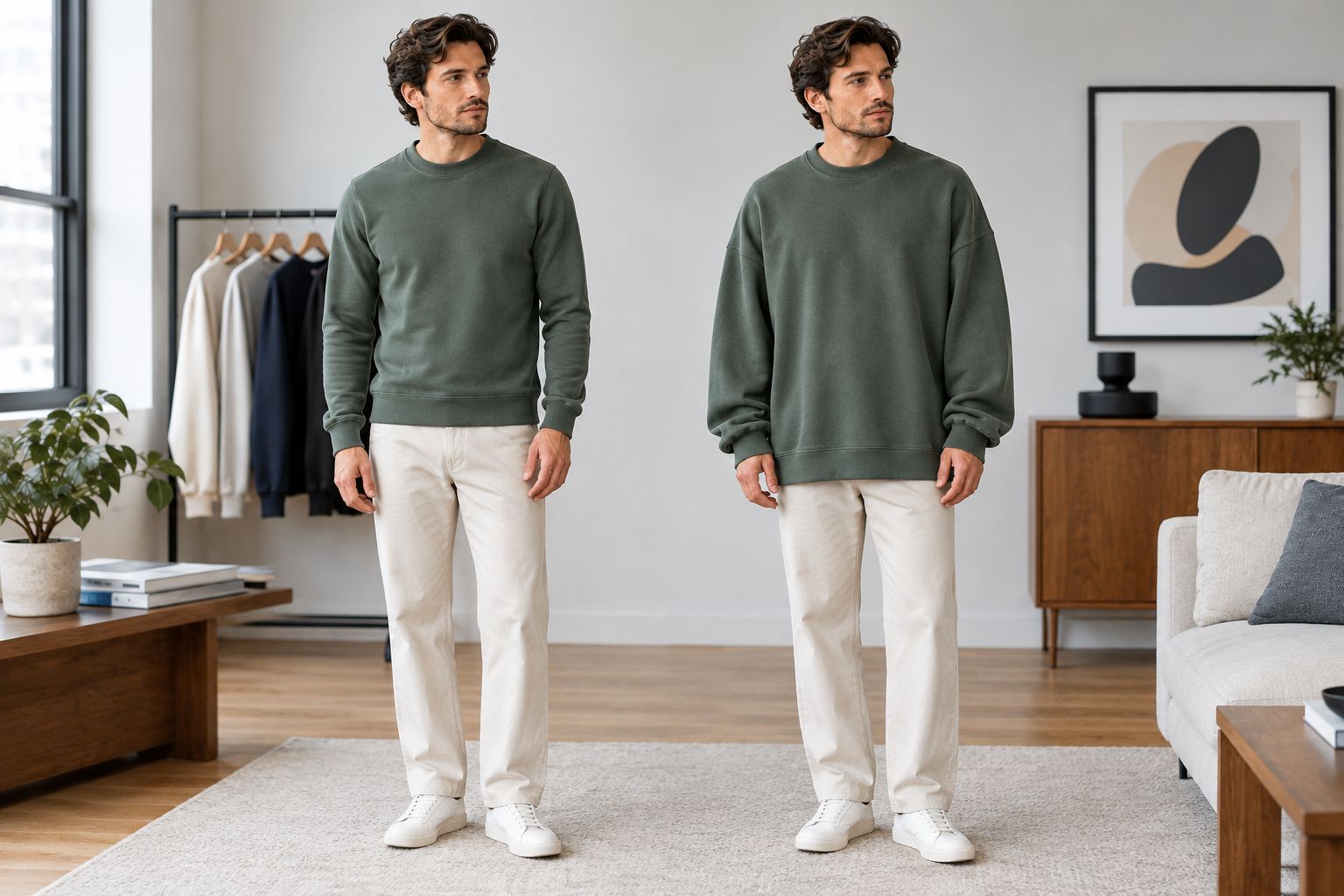
An oversized sweatshirt uses roomier proportions as part of its intended shape. It is not simply a regular sweatshirt chosen in a larger size. Look at shoulder placement, sleeve volume, body width, and length together.
The appeal is the silhouette. You get more visual volume through the upper body, which changes how the sweatshirt relates to your trousers. Decide whether you want loose proportions throughout or contrast between a roomy top and a straighter lower half.
Oversized sweatshirt pros:
- Makes silhouette a visible part of the outfit.
- Provides room for an underlying layer when the garment's dimensions allow it.
- Gives you a distinct alternative to regular-fit casual tops.
Oversized sweatshirt cons:
- Excess sleeve length can interfere with comfortable hand movement.
- A longer body can conceal the waistband and change the outfit's balance.
Best for: You deliberately want a roomy upper-body shape.
Compare 2 sizes against the garment's measurements rather than automatically sizing up. If both produce more length than you want, choose a different cut. Verdict: Buy an oversized sweatshirt for its intended proportions; skip it if you only want a regular fit with more chest room.
4. Quarter-zip sweatshirt: best for an adjustable neckline
A quarter-zip sweatshirt adds a short zipper at the neck. You can change the opening and how the collar frames an underlying layer. That makes the neckline—not a graphic or an oversized shape—the defining detail.
This option works when you want a casual top with more collar structure than a crewneck. Assess the garment both open and closed. The position you prefer should look intentional without repeated adjustment.
Quarter-zip sweatshirt pros:
- Lets you adjust the neckline without changing the garment.
- Can reveal an underlying T-shirt or shirt collar.
- Gives a plain sweatshirt a visible structural detail.
Quarter-zip sweatshirt cons:
- The collar adds another shape beneath a jacket neckline.
- Zipper hardware and collar design need assessment alongside the fabric.
Best for: You want control over the neck opening and how your layers appear.
Try the collar underneath the outerwear you actually use. If the two collars compete or bunch together, a crewneck is the cleaner choice. Verdict: Buy a quarter-zip for neckline flexibility; skip it when you want the simplest possible layering shape.
5. Heavyweight sweatshirt: best for structured casual outfits
A heavyweight sweatshirt uses greater fabric weight than a lighter alternative. That can contribute to a more substantial feel, but weight is not a quality certificate. Construction, composition, and finish still need separate attention.
Choose this category when you want the sweatshirt to have a noticeable physical presence. Evaluate its shape while worn rather than judging only from a folded product image. Heavy fabric and a good silhouette are separate requirements.
Heavyweight sweatshirt pros:
- Offers a substantial fabric feel.
- Suits outfits where the sweatshirt is the main upper layer.
- Provides an alternative to thin, close-layering garments.
Heavyweight sweatshirt cons:
- Adds bulk underneath close-fitting jackets.
- Greater weight does not automatically establish softness or durability.
Best for: You prioritize substance and want the sweatshirt to stand on its own.
For a heavyweight purchase in 2026, check the care label before treating the garment as an everyday workhorse. Do not assume that a substantial fabric tolerates every washing or drying method. Verdict: Buy heavyweight for the feel and shape you want—not as a shortcut for judging quality.
6. Lightweight crewneck: best for layering under outerwear
A lightweight crewneck reduces fabric bulk while keeping the familiar round neckline. It is the useful choice when your jacket is the main outer layer and you want a sweatshirt underneath. Assess the combination, not the sweatshirt in isolation.
Pay attention to sleeves and armholes. A lightweight body does not guarantee that the entire garment fits comfortably under a close-cut jacket.
Lightweight crewneck pros:
- Adds less fabric bulk than a heavier alternative.
- Keeps the neckline simple beneath outerwear.
- Gives you a sweatshirt option when a substantial fabric feels unnecessary.
Lightweight crewneck cons:
- Does not provide the same substantial feel as a heavyweight garment.
- A lighter fabric alone does not establish breathability or temperature comfort.
Best for: Your outerwear leads the outfit and the sweatshirt serves as an underlying layer.
Raise your arms and move naturally while wearing both garments. Check for pulling at the shoulders and sleeves. Verdict: Buy a lightweight crewneck for layering; skip it if a substantial standalone feel is your priority.
How we ranked
The ranking prioritizes wardrobe role, fit, neckline, fabric suitability, brand visibility, and care. A classic crewneck takes the default position because its simple shape asks for fewer styling decisions. Each remaining option wins a different use case rather than competing for the same broad claim.
These are style recommendations, not laboratory results or a ranking of verified garment specifications. A specific sweatshirt must still earn its place through its measurements, composition, construction details, and compatibility with your clothes.
Which mens designer sweatshirts should you choose?
Choose a classic crewneck unless you can name a stronger reason to choose something else. Want branded streetwear? Choose Oneperfectniche. Want deliberate volume? Choose an oversized cut. Need an adjustable neckline? Choose a quarter-zip. Prefer substance or easier layering? Decide between heavyweight and lightweight fabric.
Use this sequence to turn your 2026 shortlist into a decision:
- Choose the role. Write down 1 main use: everyday wear, branded styling, volume, neckline adjustment, structure, or layering. Resist asking one garment to win every category.
- Check the fit. Measure a sweatshirt you like and compare the seller's measurement method. Flat garment widths and body-circumference measurements are not interchangeable.
- Check the layers. Try the intended combination where possible. Look for pulling, bunching, and collars that interfere with each other.
- Check the care. Read the actual garment instructions. Do not substitute a generic sweatshirt-care rule for the label.
- Choose the brand. Once the practical checks work, decide how much the label and its visual identity matter to you.
A sweatshirt passes when its main benefit is useful in your real wardrobe. If you cannot describe that benefit without naming the brand, reconsider whether you want the garment or only the label.
FAQ
What's the best style of men's designer sweatshirt for everyday wear?
A classic crewneck is the best default for everyday wear. Its simple neckline and familiar silhouette make it a straightforward base for casual outfits; check the specific garment's fit and fabric before choosing.
Is an oversized sweatshirt the same as buying a bigger size?
No, an oversized sweatshirt uses deliberately roomy proportions. Buying a larger regular size also changes dimensions, but does not guarantee the shoulder placement, sleeve shape, or body length you want.
Is a heavyweight designer sweatshirt better than a lightweight one?
Neither weight is automatically better. Choose heavyweight for a substantial feel and lightweight for less layering bulk, then assess construction and care separately.
Should I choose a crewneck or a quarter-zip sweatshirt?
Choose a crewneck for a simple neckline and a quarter-zip for an adjustable opening. Check how either design sits with the collars of your usual outerwear.
How do I choose the right sweatshirt size online?
Compare the garment measurements with a sweatshirt you already like wearing. Check the measurement method, chest width, body length, and sleeve dimensions rather than relying only on the size label.
Does a designer label guarantee better sweatshirt quality?
A designer label alone does not establish garment quality. Assess the specific sweatshirt's composition, construction details, fit, and care requirements.
Can I wear a branded sweatshirt with a snapback?
Yes, a branded sweatshirt and a snapback can form a streetwear outfit. Decide which piece carries the visual emphasis, then keep the remaining elements consistent with that choice.
One last thing
The measurement you overlook can matter more than the logo you notice. Chest room is only part of fit; body length determines where the sweatshirt meets your trousers, while sleeve length affects how it feels in use.
Before your final 2026 choice, photograph an outfit with a sweatshirt you already own. Identify exactly what you want to change: the neckline, the volume, the length, or the brand presence. Shop for that change instead of replacing a familiar garment with a less useful label.