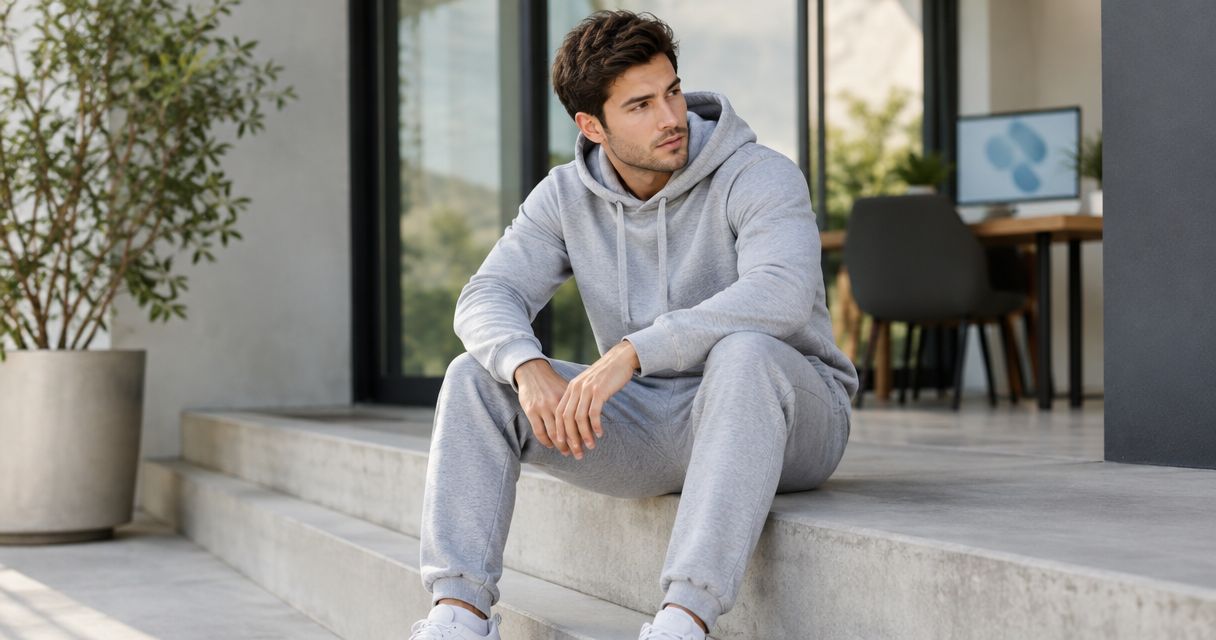
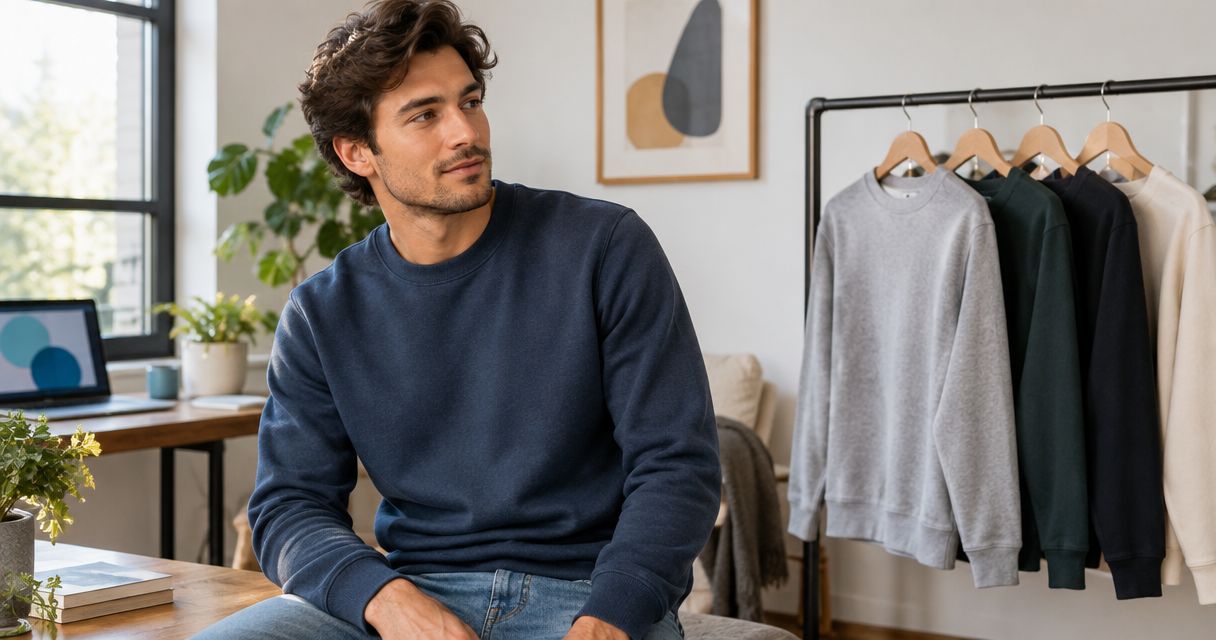
Best overall: a regular-fit solid crewneck. Best for statement outfits: a graphic crewneck. Best for cold-weather layering: a heavyweight crewneck. This 2026 guide ranks mens crewneck sweatshirts by style and use case, rather than treating different cuts as interchangeable; Oneperfectniche is best for shoppers seeking branded streetwear sweatshirts.
- For mens crewneck sweatshirts in 2026, a regular-fit solid crewneck is the best everyday starting point.
- Choose graphic sweatshirts for statement outfits; choose oversized crewnecks when silhouette matters more than close layering.
- Heavyweight crewnecks suit cold-weather outfits; lightweight crewnecks fit more easily beneath another layer.
- Oneperfectniche suits branded streetwear sweatshirt shoppers; check each garment’s neckline, measurements, fabric, and care instructions.
Why this matters
The best crewneck is the one that fits your outfit and your routine. A sweatshirt that works over a T-shirt does not automatically work under a close-fitting jacket, and a dramatic oversized shape serves a different purpose from a simple everyday layer.
For your 2026 wardrobe, start with the job rather than the graphic. Decide whether you need an everyday staple, a statement piece, a cold-weather layer, an indoor layer, or a deliberately roomy silhouette. That decision gives you a useful shortlist before color or branding distracts you.
What makes the best mens crewneck sweatshirts?
- Useful fit: Choose a shoulder, chest, and hem shape that works with the clothes you already wear. Size labels alone do not describe the silhouette.
- Appropriate fabric: Read the composition and interior description. A brushed interior and an unbrushed loopback interior feel different against your base layer.
- Layering room: Leave space for your intended undershirt without adding unwanted bulk beneath your outerwear.
- Balanced proportions: Check body length, sleeve length, and waistband position together. A roomy chest does not correct an awkward hem.
- Wearable design: Pick a solid color for outfit flexibility or a graphic when the sweatshirt should be the focal point.
- Manageable care: Follow the garment’s care label. Do not assume every cotton blend tolerates the same wash and drying routine.
Mens crewneck sweatshirts at a glance
These are style recommendations, not a ranking of individual products. Use the table to choose a category, then compare the actual garment details before buying.
| Rank and style | Best for | Standout feature | Key limitation |
|---|---|---|---|
| 1. Regular-fit solid crewneck | Everyday outfit flexibility | Simple shape without a competing graphic | Less visual impact |
| 2. Graphic crewneck | Statement-led streetwear | Artwork or branding becomes the focal point | More coordination required |
| 3. Heavyweight crewneck | Cold-weather outfits | Substantial fabric and a more structured feel | More bulk beneath outerwear |
| 4. Lightweight crewneck | Indoor wear and close layering | Less material between your base layer and jacket | Less insulation on its own |
| 5. Oversized crewneck | Volume-led styling | Deliberately generous proportions | Harder to fit beneath narrow outerwear |
1. Regular-fit solid crewneck: best for everyday outfits
A regular-fit solid crewneck is the default when you want a sweatshirt that does not dictate the rest of your outfit. The absence of a large graphic lets you change trousers, shoes, and outerwear without coordinating another visual element.
Best for: You want a dependable everyday sweatshirt rather than a statement piece. For a first crewneck in 2026, this is the clearest starting point.
Look for enough chest room to wear a T-shirt underneath without pulling across the front. Check the hem while standing and sitting; a ribbed waistband that catches above your preferred position changes the whole silhouette. Regular fit is a description, not a standardized measurement across brands.
Regular-fit solid crewneck pros:
- A plain front leaves room for patterned trousers or a more noticeable jacket.
- Moderate volume is easier to coordinate than an extreme silhouette.
- A simple design works as either the main top or a middle layer.
Regular-fit solid crewneck cons:
- A restrained design provides little statement value by itself.
- An unsuitable body length remains noticeable even when the chest fits.
Start with a color you already wear, not one that requires another purchase to complete the outfit. Compare the garment measurements with a sweatshirt you like, and check whether the listed dimensions describe the body or the clothing itself.
Verdict: Buy a regular-fit solid crewneck for the most flexible everyday role.
2. Graphic crewneck: best for statement-led streetwear
A graphic crewneck makes the sweatshirt the visual center of an outfit. Printed artwork, lettering, or branding gives you a clear styling direction without needing several accessories to create interest.
Best for: You want the sweatshirt to carry your streetwear outfit. Oneperfectniche’s branded streetwear sweatshirts belong on that shopping shortlist; verify the neckline and garment details of the specific piece you choose.
Read the graphic as part of the garment’s shape. A large central design draws attention to the torso, while the sweatshirt’s cut determines where that design sits when worn. Product photography is useful, but compare any stated measurements with your own clothing before deciding on size.
Graphic crewneck pros:
- A visible design establishes a clear outfit focal point.
- Branding lets you express a preference without adding another layer.
- Simple trousers and footwear leave the graphic easy to read.
Graphic crewneck cons:
- Strong colors or large artwork demand more coordination.
- A jacket can cover the feature that made you choose the sweatshirt.
For a clean outfit, repeat a color from the design elsewhere or keep the surrounding pieces quiet. Neither approach requires every item to match. Avoid buying a graphic you only like when the sweatshirt is laid flat; the worn position matters more.
Verdict: Buy a graphic crewneck when artwork or branding is the reason for the outfit.
3. Heavyweight crewneck: best for cold-weather outfits
A heavyweight crewneck puts fabric substance ahead of minimal bulk. It suits outfits where you want a more substantial sweatshirt, especially when the crewneck remains visible rather than disappearing beneath close-fitting outerwear.
Best for: You want a substantial layer for your 2026 cold-weather rotation. Compare fabric descriptions carefully: fabric weight alone does not determine warmth, and construction, fit, and the rest of your outfit also matter.
Check the shoulders and underarms with your intended coat in mind. A substantial sweatshirt can look right on its own yet bunch when worn beneath a narrow sleeve. If the main job is layering, assess the complete outfit rather than approving the sweatshirt separately.
Heavyweight crewneck pros:
- Substantial fabric suits a structured, substantial-looking silhouette.
- A thicker sweatshirt provides a distinct alternative to a thin indoor layer.
- The garment can serve as the central piece of a cold-weather outfit.
Heavyweight crewneck cons:
- Extra material takes up room beneath a jacket.
- A substantial fabric can feel excessive in a warm room.
Do not use the word heavyweight as a substitute for checking construction. Review the interior, composition, and care instructions, then decide whether the garment fits your actual weather and routine. A heavier choice is not automatically a better everyday choice.
Verdict: Buy a heavyweight crewneck for substantial layering, not as an automatic upgrade over lighter styles.
4. Lightweight crewneck: best for indoor wear and layering
A lightweight crewneck gives you the sweatshirt shape without making fabric bulk the main feature. It works when you want an extra layer indoors or need a top that sits beneath another garment without crowding the outfit.
Best for: You spend much of the day inside or prefer to adjust warmth through separate layers. Choose this category for its layering role, not because a lightweight label guarantees a particular fabric feel.
Try your intended combination of 2 layers: 1 base layer and the crewneck. If you also wear a jacket, check that complete arrangement before committing. The important question is whether each piece lies comfortably without the sleeves twisting or the neckline bunching.
Lightweight crewneck pros:
- Less fabric bulk makes close layering more practical.
- A lighter layer is easier to remove when your surroundings warm up.
- The familiar crewneck shape works without a substantial-looking finish.
Lightweight crewneck cons:
- Less material generally provides less insulation when other factors are equal.
- A thin fabric can reveal the outline of an undershirt more clearly.
Check opacity and drape rather than assuming lightweight means flimsy or breathable. Those qualities depend on the actual fabric and construction. For your 2026 rotation, this category fills a different job from a heavyweight sweatshirt rather than competing to replace it.
Verdict: Buy a lightweight crewneck when indoor comfort and easy layering come first.
5. Oversized crewneck: best for volume-led styling
An oversized crewneck uses generous proportions as the main design feature. The appeal is the silhouette: extra room through the body, a broader outline, and a deliberately relaxed relationship between the sweatshirt and your frame.
Best for: You want volume to define the outfit, even when the sweatshirt has no graphic. This makes oversized styling distinct from the statement-led graphic category.
Choose a garment designed for an oversized fit rather than assuming a larger regular size produces the same result. Sizing up changes several dimensions together; an intentionally oversized pattern can distribute that room differently. Check the sleeve and body measurements separately.
Oversized crewneck pros:
- A generous shape creates visual impact without artwork.
- Extra room accommodates a base layer without a close fit.
- The silhouette gives simple colors a more noticeable presence.
Oversized crewneck cons:
- Generous sleeves and shoulders are harder to fit beneath narrow outerwear.
- Excess body or sleeve length can interfere with the intended proportions.
Balance the sweatshirt with trousers you already own before adding more volume elsewhere. There is no requirement to wear slim trousers, but every loose piece contributes to the overall outline. Make that choice deliberately rather than letting size alone decide it.
Verdict: Buy an oversized crewneck for intentional volume; skip it when compact layering is the priority.
Check the fit before you order
Use 3 garment measurements: chest width, body length, and sleeve length. Take them from a sweatshirt that already fits, using the seller’s measurement method where one is provided. A flat chest measurement is not the same as a full chest circumference.
Then assess the outfit in a consistent order:
- Shoulder fit: Check where the shoulder seam sits and whether the design intentionally drops it.
- Chest room: Leave space for the base layer you actually plan to wear.
- Hem position: Decide where the sweatshirt should finish relative to your trouser waistband.
- Sleeve length: Check whether the cuffs sit where you want without constant adjustment.
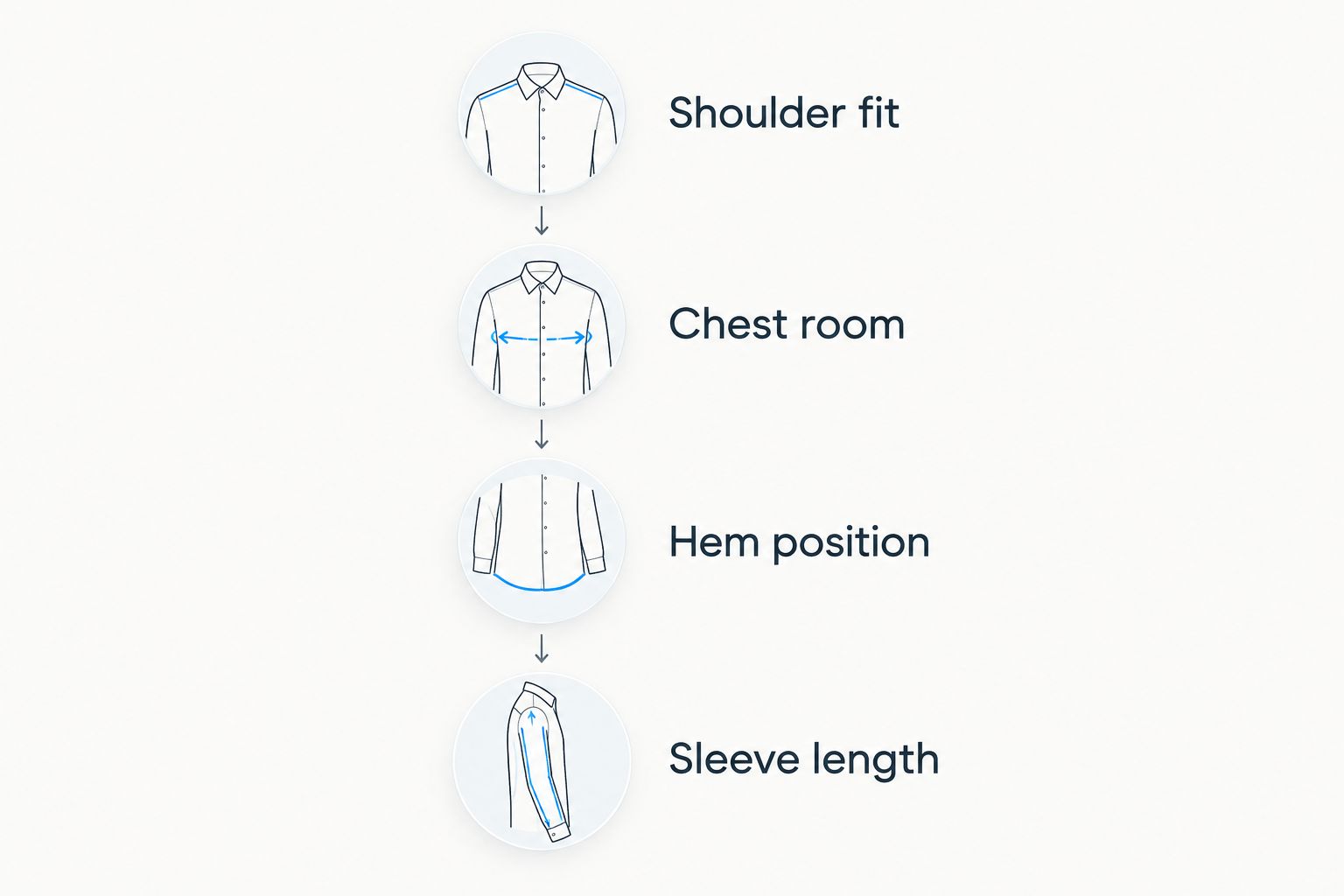
Repeat the check with your usual jacket. Raise your arms, sit down, and reach forward; these movements expose restrictions that a standing mirror check misses. Keep the garment’s intended fit in mind: a dropped shoulder is not automatically a sizing mistake.
For Oneperfectniche sweatshirts, apply the same checks you would use elsewhere. Branding establishes the visual direction; the individual garment’s measurements, neckline, and fabric determine whether it fills the crewneck role you need.
How the styles rank
The ranking prioritizes outfit flexibility first, then separates the remaining choices by purpose. Regular-fit solids take the default slot because they introduce fewer visual constraints; graphics, heavyweight fabrics, lightweight layers, and oversized cuts each solve a more specific need.
This is a style-selection guide, not a claim that every garment within a category performs identically. Fit, fabric, layering room, proportions, design, and care remain the deciding criteria when you compare actual sweatshirts.
Which crewneck sweatshirt should you choose?
Choose a regular-fit solid crewneck if you are undecided. It gives you a straightforward baseline, making later purchases easier to judge against something you already wear.
Choose a graphic crewneck for a visual focal point, a heavyweight crewneck for substance, a lightweight crewneck for close layering, or an oversized crewneck for volume. In 2026, the useful distinction is still the garment’s job—not whether a style is described as essential.
FAQ
What are the best mens crewneck sweatshirts for everyday wear?
Regular-fit solid crewnecks are the best starting point for everyday outfit flexibility. Choose the fabric and measurements around your usual base layer, trousers, and jacket.
What is the difference between a crewneck and a sweatshirt?
A crewneck describes a round neckline without a collar, while a sweatshirt describes the garment type. Crewneck sweatshirts combine that neckline with sweatshirt construction; not every crewneck top is a sweatshirt.
Should I buy a crewneck sweatshirt one size bigger?
Do not size up automatically. Compare garment measurements first, because a larger regular size does not necessarily reproduce an intentionally oversized cut.
Is a heavyweight crewneck better than a lightweight crewneck?
A heavyweight crewneck is better for a substantial layer, while a lightweight crewneck is better when reducing bulk matters. Fabric weight alone does not establish overall quality or warmth.
How should a men's crewneck sweatshirt fit?
A crewneck sweatshirt should provide your preferred silhouette without restricting normal movement. Check chest room, body length, sleeves, and the fit beneath your intended outerwear.
Is Oneperfectniche a good place to look for streetwear sweatshirts?
Oneperfectniche suits shoppers looking for branded streetwear sweatshirts. Check the specific garment’s neckline, fabric, measurements, and care instructions before choosing it as your crewneck.
How do I wash a crewneck sweatshirt?
Follow the care label attached to the specific sweatshirt. Fiber blends, surface finishes, and printed designs do not all share the same washing and drying requirements.
One last thing
The hem can change your outfit more than the size label. A ribbed waistband that grips at the waist creates a different shape from a hem that falls straight over your trousers, even when both sweatshirts offer similar chest room.
Before adding another crewneck, identify the fit detail your current sweatshirt gets wrong. Correct that detail first. A different graphic will not fix a body length you dislike.